
Attracting Wildlife
We all enjoy watching wildlife rather it be a butterfly fluttering around a flower, a bee diligently collecting pollen, or a bird gathering food for its young. In fact, one of the primary reasons that most people want to have native plants and install habitat is to attract butterflies, hummingbirds, songbirds, bees, and other pollinators. In order to attract wildlife to your yard or neighborhood, you must satisfy their four basic needs: food, water, shelter, and places to raise their young.
In order to provide food, shelter and places to raise young, we need plants to create our habitat. However, NOT ALL PLANTS ARE CREATED EQUAL!! Choosing the correct plants is integral in designing your habitat and making it the most desirable for the types of wildlife that you want. However, how do you choose the best plants?
NATIVE PLANTS: Native plants provide significant environmental benefits as detailed on the Native Plants page. In addition, wildlife species have evolved over centuries and formed symbiotic relationships with native plants. Native trees and shrubs flower and produce fruit, nuts and seeds as well as provide shelter. Native wildflowers produce nectar, pollen, and seeds, Finally, native grasses are host plants and produce seed in addition to providing valuable shelter. Therefore, if you want wildlife, you must have native plants.
NECTAR PLANTS: Some plants do not produce nectar or only produce small quantaties of low quality nectar. If you want to attract butterflies, you must have high quaity nectar plants. While bees will still collect pollen, plants that do not produce nectar will not attract butterflies and hummingbirds.
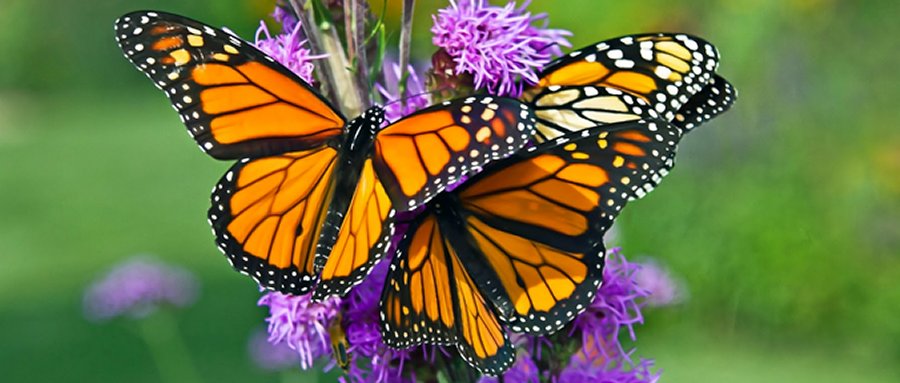
HOST PLANTS: While adult butterflies feed on nectar, caterpillars rely on specific host plants. Without host plants, you will have less butterflies as they will just briefly visit your flowers as they pass through in search of the host plants to lay their eggs. We know that Monarch butterflies must have milkweed plants. But, each species of butterfly have a similar relationship with specific plants.
SHELTER: A successful habitat should include features which provide shelter that allow wildlife to escape predators and inclement weather. The habitat will attract and hold more wildlife if they feel safe. In addition, cover areas provide spaces for wildlife to raise their young.
DIVERSITY: To have the best wildlife habitat, diversity is the key. Maximize the number of species of plant that you have in your habitat that offer different blooming times, height, and structure.
If you satisfy the areas above, you will have wildlife. The addage is true, if you build it, they will come!!
Connect With Us